Workshops
Our one-week, intensive workshops are the cornerstone of the SING program. The annual SING summer program is all-expenses-paid, including lab/equipment fees, travel, lodging, and meals/per diem. During the entire week, which includes a Sunday evening welcome feast, participants are provided with hands-on experience in bioinformatics, genomics, and Indigenous and decolonial bioethics. All participants are Indigenous and come from various educational backgrounds; some are in graduate programs, some are first or second-year students, and occasionally we accept a postdoctoral fellow. We also occasionally accept non-academic Indigenous community members working in Indigenous communities or organizations whose capacities will be enhanced by additional mentoring in genome research methods and governance. All participants partner in the lab and work under the guidance of SING faculty with graduate student teaching assistants. Participants also attend classroom lectures, eat all meals together, and attend in larger and smaller groups evening talking circles and other networking gatherings to help establish this emerging professional network.
SING Canada 2026
SING Canada is returning to host its first workshop since 2023!
The last two years have featured collaborations with the founding of SING Sábme in Lule Sámi territory in Sweden in August 2025, and the year before that was the Global Indigenous Leadership in Genomics Symposium (GILGS) 2024, which brought together the SING Consortium/Council members from around the world to the University of British Columbia in Vancouver, Canada. We are thrilled to be offering a full SING Canada workshop this year and we look forward to more in the future!
From July 12-17, 2026, we will be meeting in the territory of the Mohawk Nation of Kahnawake and the campus of McGill University in Montreal, Quebec. We will be exploring a collaborative co-produced research project with the Kahnawake Environment Protection Office (KEPO) on the theme of aquatic environmental metagenomics. Participants will partake in lectures, hands on training in water sampling, filtering, DNA extractions, and sequencing demonstrations using Oxford Nanopore MinION technology. We have numerous guest lectures from leading scholars on Indigenous data sovereignty, governance, and scientific journalism, and will participate in a collective art project that will facilitate reflection and learning throughout the week. Our goals are not only to learn the practical components of environmental and human-health related genomics, but build our capacity and understanding of the power, benefits, and risks of this technology.
Indigenous scientists in training, medical students, and community members will work with SING Canada Faculty members, local hosts from Kahnawake and McGill University during this one-week intensive workshop. This year would not be possible without our partners at the DNA to RNA (D2R) Initiative, and our shared commitment to education and Indigenous-led research.
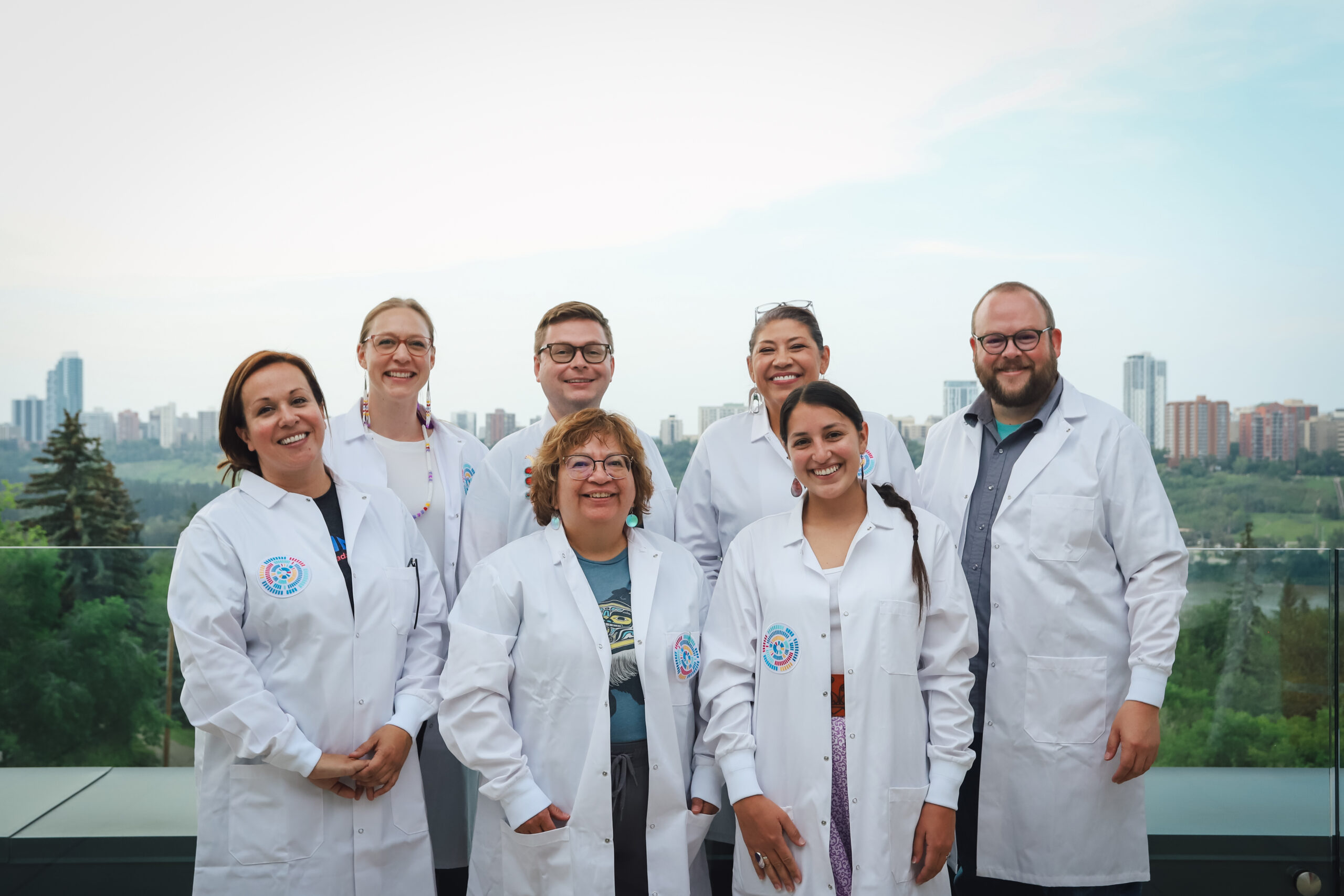
SING Canada Faculty (2023)
Past Events
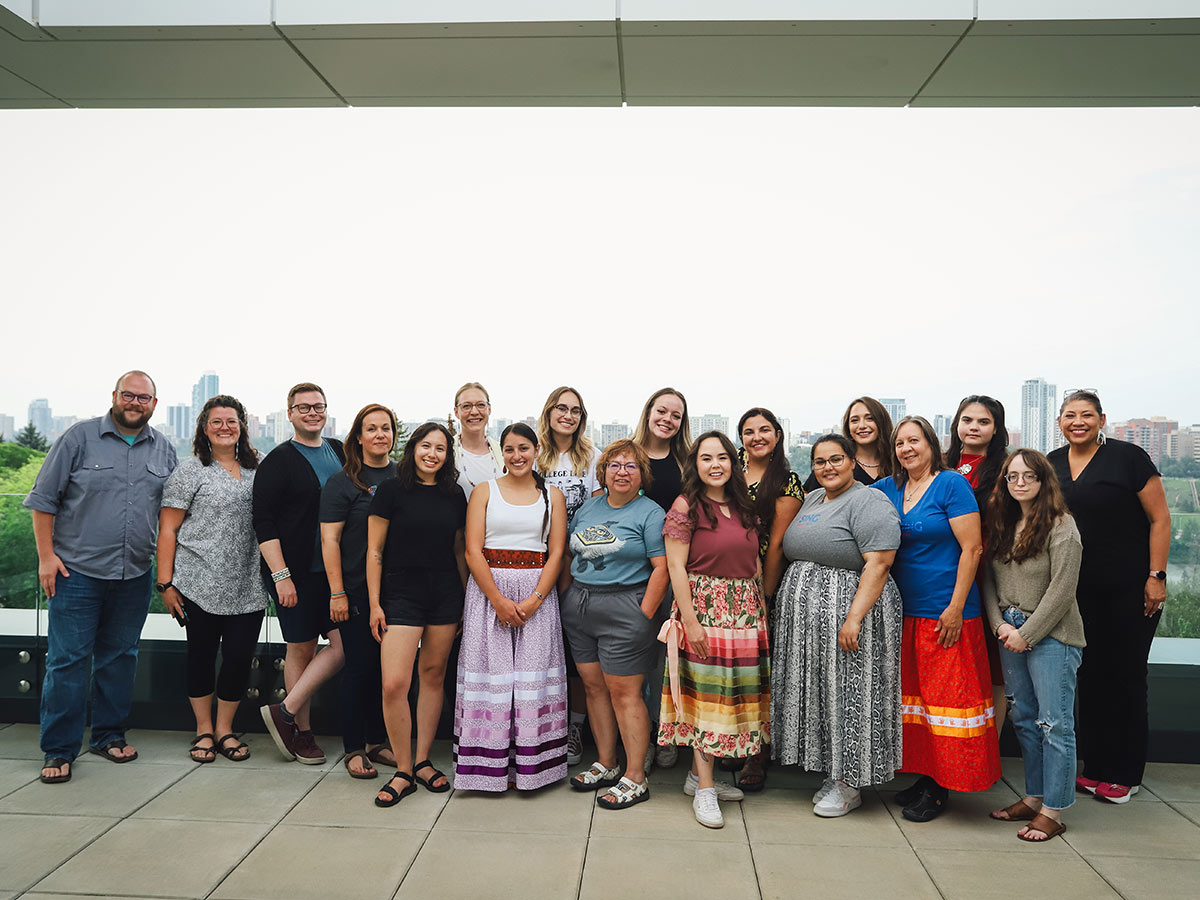
2024 Symposium
2024 Global Indigenous Leadership in Genomics Symposium (GILGS'24) From
2023 Workshop
2023 Workshop #LandBack: Indigenous Peoples, Soil Science, and Disruptive
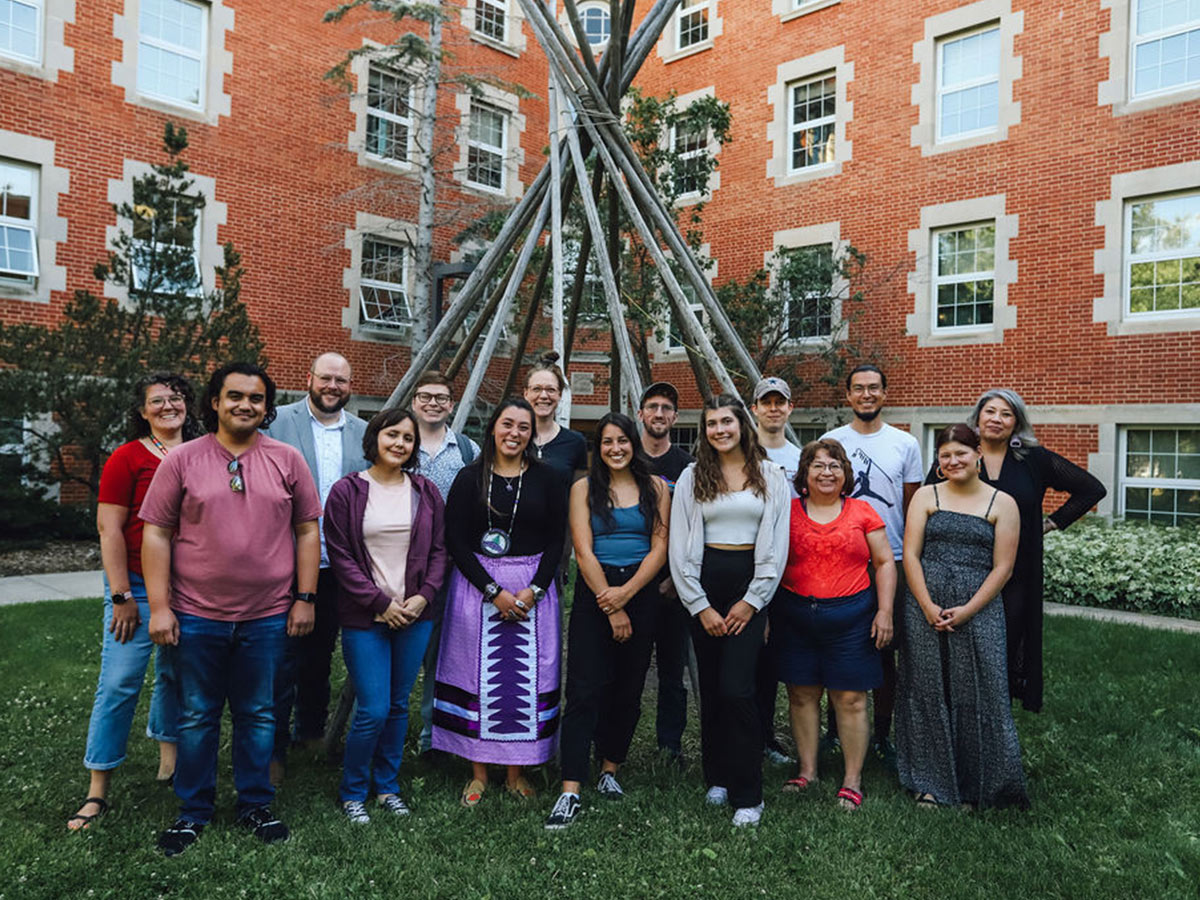
2022 Workshop
2022 Workshop #LandBack: Indigenous Peoples, Soil Science, and Disruptive
2021 Workshop
2021 Workshop Due to the ongoing COVID-19 pandemic, the program
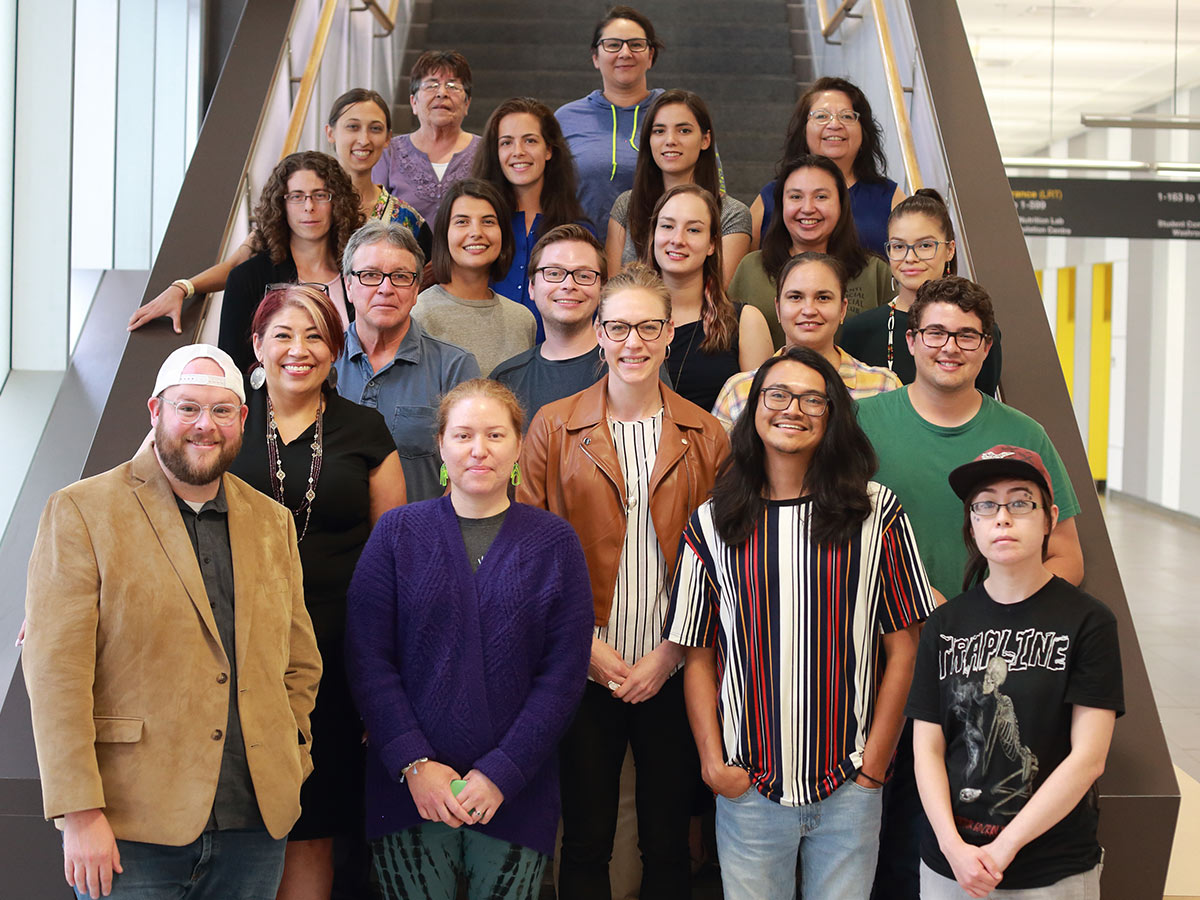
2019 Workshop
2019 Workshop Theme: Interdependence of human and non-human animal health
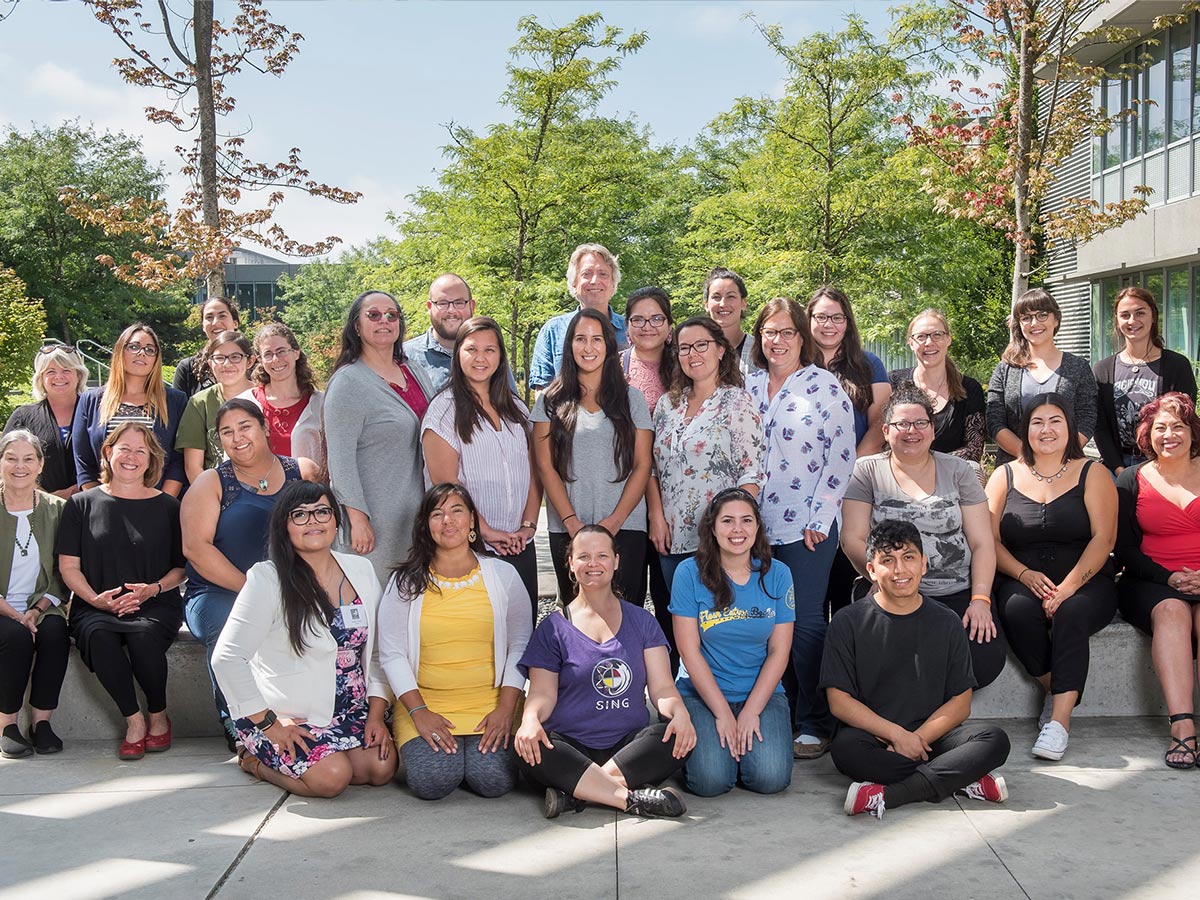
2018 Workshop
2018 Workshop Theme: Interdependence of human and environmental health SING
Application Information
Application Process
The SING Canada Workshop is open to tribal and community college students, undergraduate and graduate students, and postdocs. This includes Indigenous individuals who would like to learn about our research topics. We strongly welcome Indigenous community members, elders, and leaders to attend.
The workshop application portal will open in the spring of each year that a workshop will be hosted. In most cases, applications will be due in April of that same year. We encourage you to start preparing your application as early as possible. You can edit your application in the portal as many times as you like before the application deadline. All applications will be reviewed after the application is closed.
Eligibility and Criteria
- This workshop is open to Indigenous peoples. This includes First Nation, Métis, and Inuit people, and also tribal citizens from the US, Alaska Natives, and Native Hawaiians. Please note that funding and space limitations allow for participants mainly from Canada, but we will consider applications from North America more broadly. Documentation should be provided by either: evidence of First Nation membership such as status card, tribal enrolment or other Indigenous membership recognized by a legitimate Indigenous governmental entity, or statement outlining the applicant’s Indigenous affiliation.
- To apply for the program, you will need:
- 200 word summary of Applicant’s Background. This should include education or experiences that relate to the SING workshop
- 500 word essay on Applicant’s Purpose for attending the workshop
- Curriculum vitae (CV)/Resumé
For other SING workshop sites outside of the Canada, please see SING USA, SING Aotearoa, and SING Australia sites and adhere to their workshop dates and criteria.
Evaluation
After completion of the workshop, participants are requested to submit a 2-page evaluation of the SING workshop program. These evaluations provide organizers valuable feedback to modify and improve future workshops
Workshop FAQ
We get a lot of questions about the SING program. Here we have compiled a few of the most common ones. If you have any other questions about the program or the application process, please reach out to us at info@sing-canada.ca .
When and where does the SING Canada workshop take place?
The SING Canada workshop is usually scheduled every year in mid-July for 5 days (plus travel). The location varies depending on the theme and our faculty.
Who can participate?
This workshop is open to Indigenous peoples. This includes First Nation, Métis, and Inuit people, and also tribal citizens from the US, Alaska Natives, and Native Hawaiians. Please note that funding and space limitations allow for participants mainly from Canada, but we will consider applications from North America more broadly. Applicants will benefit from a background in science, particularly genomics, but the program is designed for any interested Indigenous student with an interest in the topic.
How much does it cost to participate?
For accepted applicants, costs for the program (including meals, travel and accommodation) are fully funded by SING Canada.