2026 Workshop
Relational Genomics: Aquatic Environmental DNA of Kahnawake
This year’s workshop is in collaboration with the Kahnawake Environment Protection Office (KEPO) with support from the DNA to RNA (D2R) Initiative at McGill University. Through many conversations with the community partners, we workshopped how genomic techniques may help answer community-led questions about the environment and inform their management strategies.
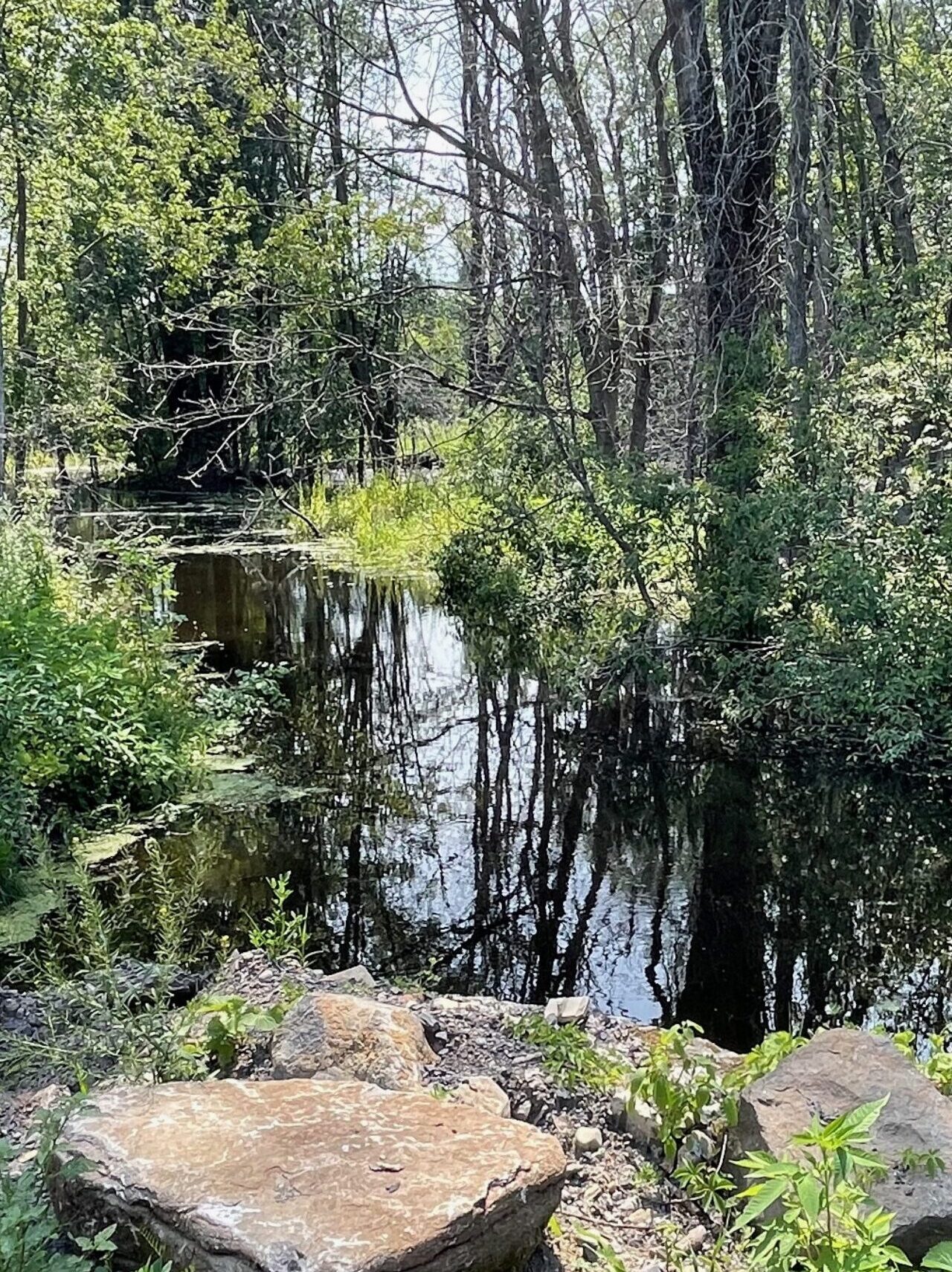
Kahnawake is located on the south shore of the St. Lawrence River in Quebec, Canada. The St. Lawrence River is the third largest river in North America and supports a wide range of ecological and economic services. The Haudenosaunee have a rich history with the river from use as a travel corridor between communities to its use for traditional fishing practices including spear fishing the now endangered Atlantic Salmon and American Eel. Beyond the charismatic and endangered species, the river and its tributaries support a diverse ecological community including around 100 fish species, more than 30 species of reptiles and amphibians, as well as many terrestrial animals, birds, and microscopic species.
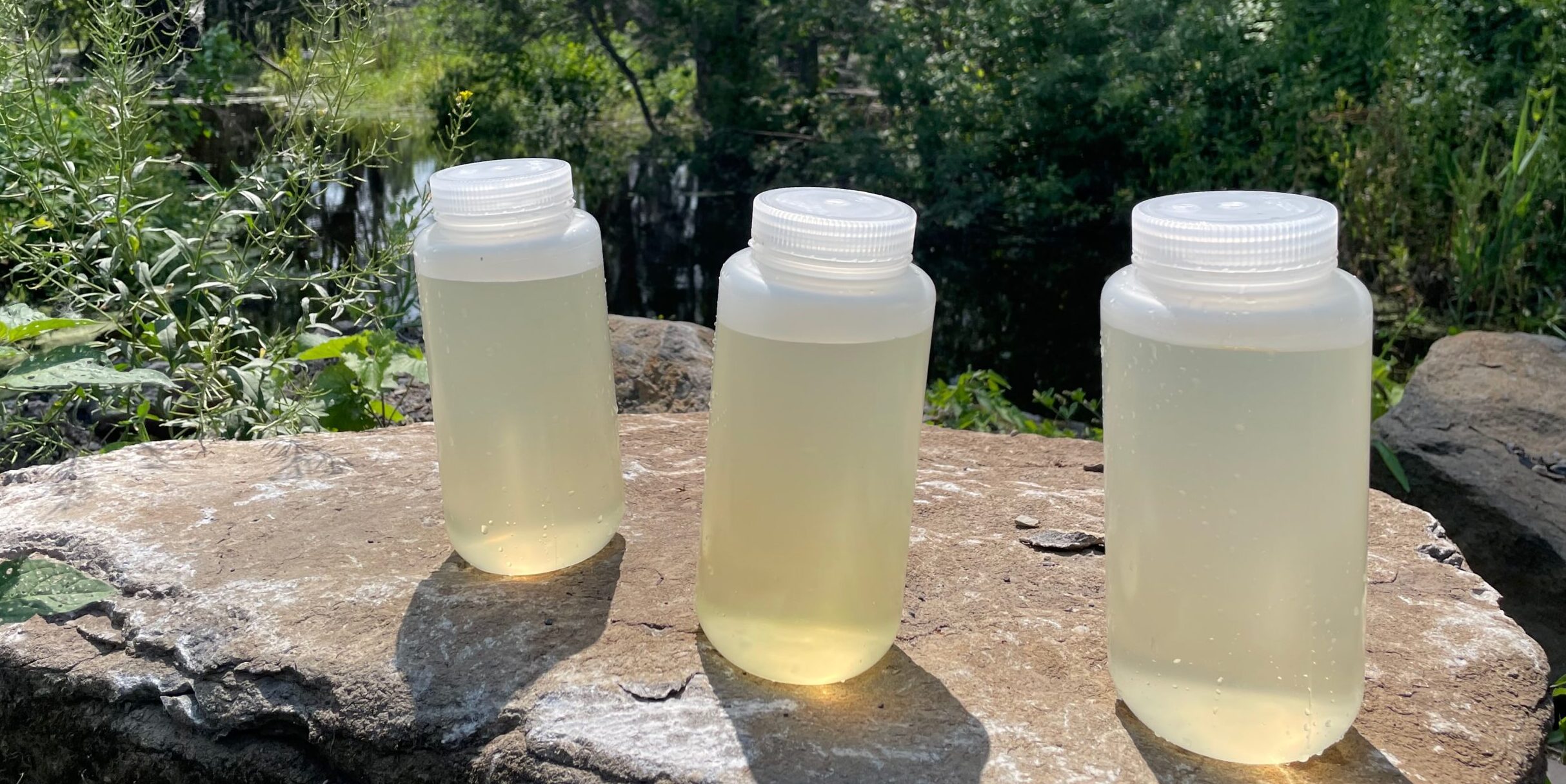
This diversity of life has been significantly impacted by decades of human disturbance including the development of the St. Lawrence Seaway, urban development, and industrial runoff. Having an accurate understanding of the current species diversity is vital to effective conservation and Kahnawake’s self-governance and environmental caretaking. Traditional surveying techniques would require multiple methods over many weeks with highly trained personnel and invasive approaches. Cutting edge techniques in environmental genomics such as environmental DNA (genomic material suspended in environmental media) and nanopore long read sequencing can allow us to rapidly detect multiple clades of species without disturbing the environment or species. We will be using nanopore longread sequencing technologies to conduct shotgun metagenomics on aquatic environmental DNA samples the St. Lawrence River, the St. Lawrence Seaway, and the tributaries running through Kahnawake to detect the species present from larger birds, fish, mammals, and plants, to microscopic bacteria, fungi, and protists.
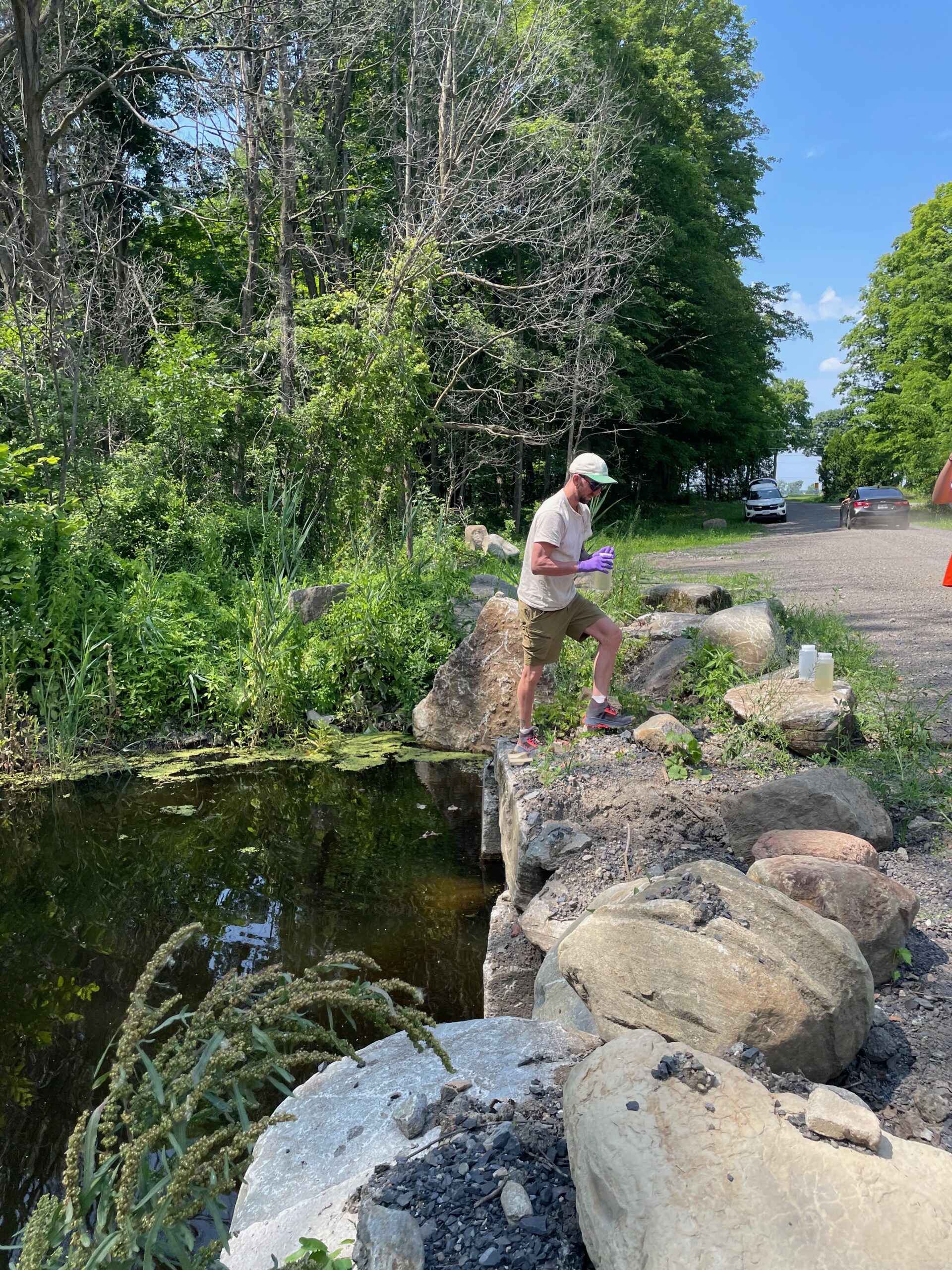
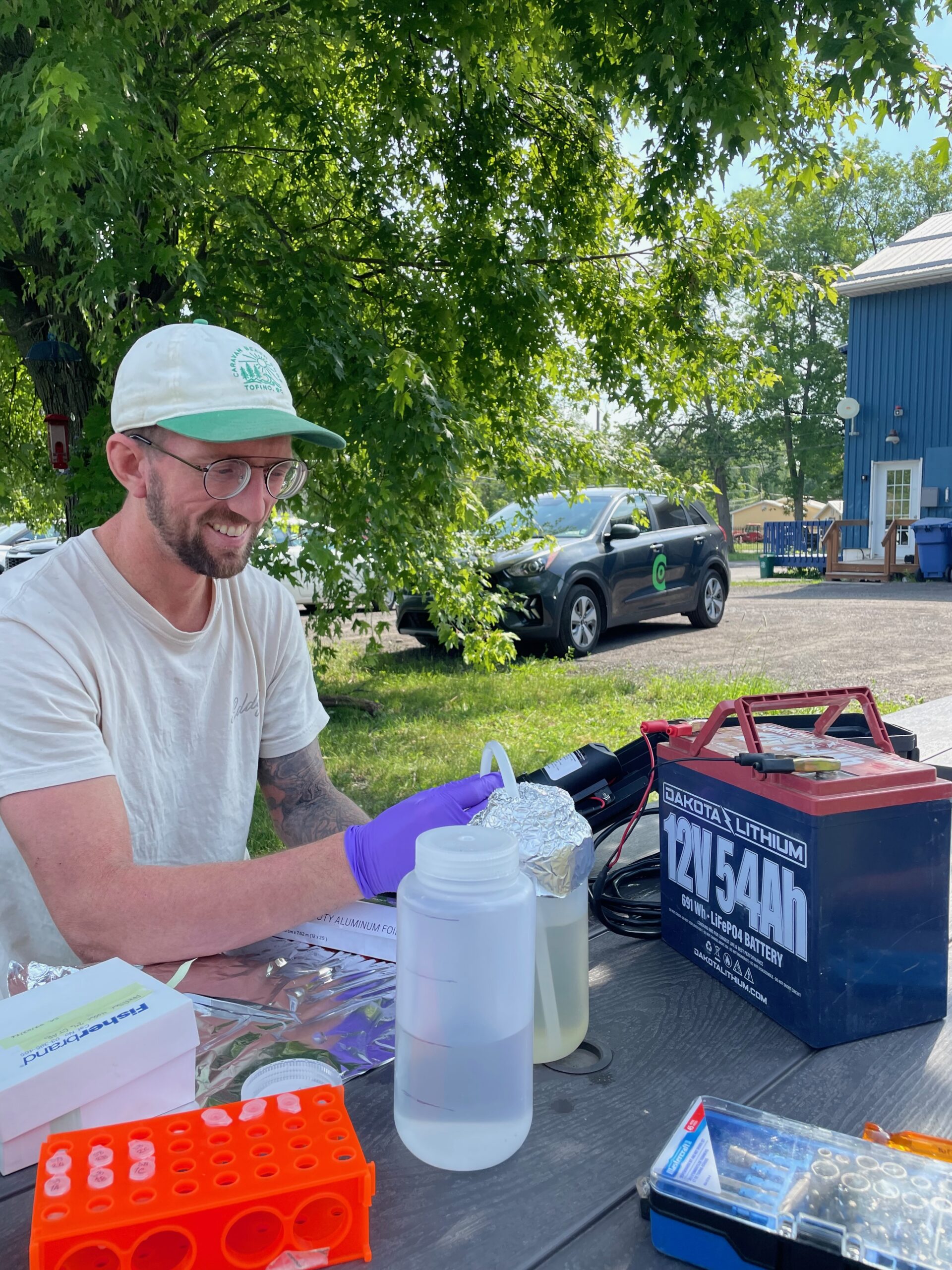
Participants in this years’ workshop will work alongside SING Canada Faculty in the field and laboratory to gather and filter water samples, extract and quantify genomic DNA from environmental samples, initiate an Oxford Nanopore MinION sequencing run, and co-analyze the genomic results all while exploring the bioethics and data governance involved working with Indigenous partners, their information, and genomic data.
Details: SING Canada returns July 12–18, 2026, in partnership with the Kahnawake Environment Protection Office (KEPO) and McGill University’s DNA to RNA (D2R) Initiative.
Eligibility: Indigenous undergraduate and graduate students, postdoctoral fellows, and community fellows interested in genomics and Indigenous-led research are encouraged to apply.
Application window: March 20 – April 19, 2026